A une Damoyselle Malade
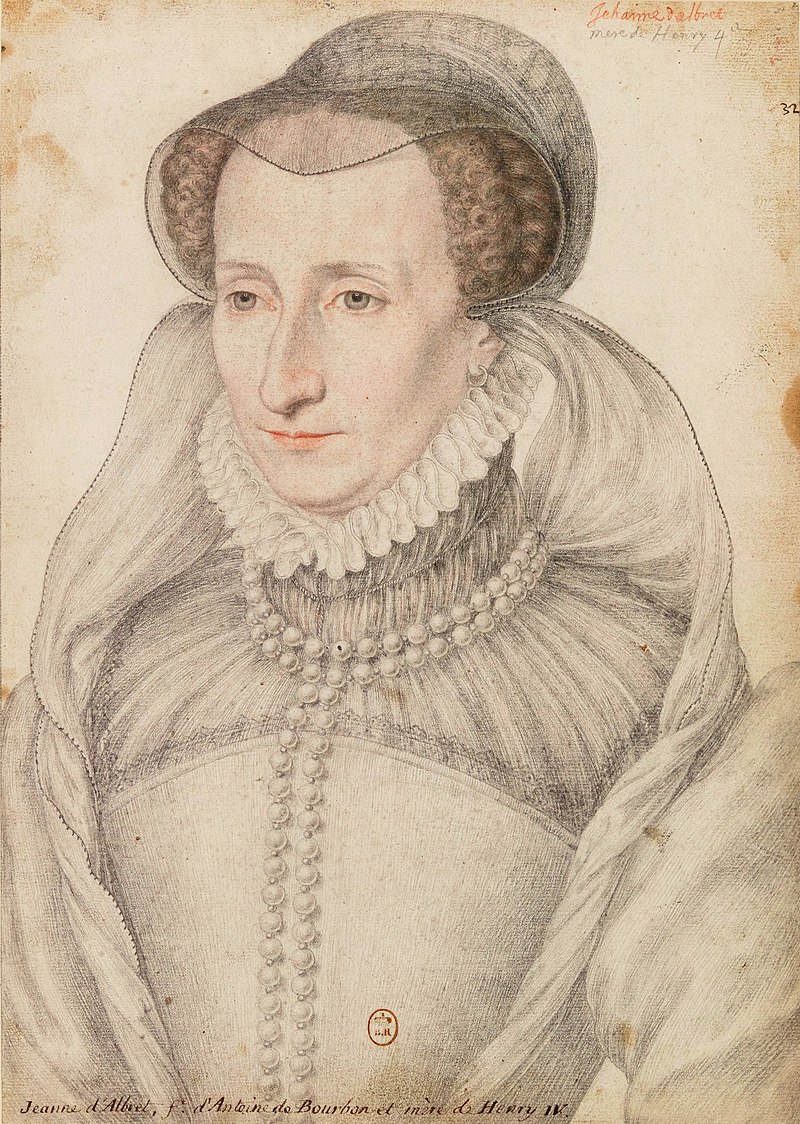
In his erudite, amusing and instructive book, Le Ton Beau de Marot, Douglas Hofstadter uses several poems by Marot to illustrate and discuss the (im-)possibilities of translation from one language (mental frame, context, moment in time) to another. The poem central to his book is one of Marot's most charming poems: A une Damoyselle Malade, written in Autumn 1537 as a get-well note to Jeanne d’Albret (daughter of Marguerite de Navarre, future mother of 'Henry - Paris vaut bien une messe...'). The girl, seven or eight years old, had fallen ill. Marot tries to cheer her up. Below I give the original and some of (the over 60) translations Hofstadter presents in his book (not all of them his own, but the bulk is).
For the interested: Hofstadter identifies the following key-characteristics of the poem that a translator should try to take into account:
- It is made up of 28 lines.
- Each line has 3 syllables.
- The stress falls on the last of these syllables.
- It is a series of rhyming couplets (AA BB CC DD…)
- The semantic couplets are out of phase with the rhyming couplets: A, AB, BC,
- After line 14 the formal "vous" is replaced by the more colloquial "tu".
- The last line echoes the first.
- The poet slips his own name into the poem.
extra info : The French composer Jean Françaix (1912-1997) published a musical setting for piano and voice
In my humble opinion Hofstadter n° 6 is the best, content and atmosphere, a dynamic-equivalence between original and translation.
|
Clément Marot |
Hofstadter n°2 "bland boring, and literal" |
Hofstadter n°6 |
Robert French II (n°9) |
|
A une Damoyselle malade Ma mignonne, |
To a Sick Damsel
My sweet I bid you A good day; The stay Is prison. Health Recover, Then open Your door, And go out Quickly, For Clément Tells you to. Go, indulger Of thy mouth, Lying abed In danger, Off to eat Fruit preserves; If thou stay’st Too sick, Pale shade Thou wilt acquire, And wilt lose Thy plump form. God grant thee Good health, My sweet. |
My Sweet Dear My sweet dear, |
Fairest Friend |
And as an extra Hofstadter's prosa rendering (n°5):
My small princess, I send you a warm hello. Your long stay in bed
has been like a term in prison. Uncle Clement urges you to
recuperate, and to get out of there soon. You've always loved
sweets, so don't let being bed-ridden stop you from indulging - have
some jam! And don't stay sick too long, because you'll get ghostly
pale and start looking like skin and bones. God will surely bring
you back to good health, my small princess.